
“United Through Christ, Bound to Each Other” Lesson Four
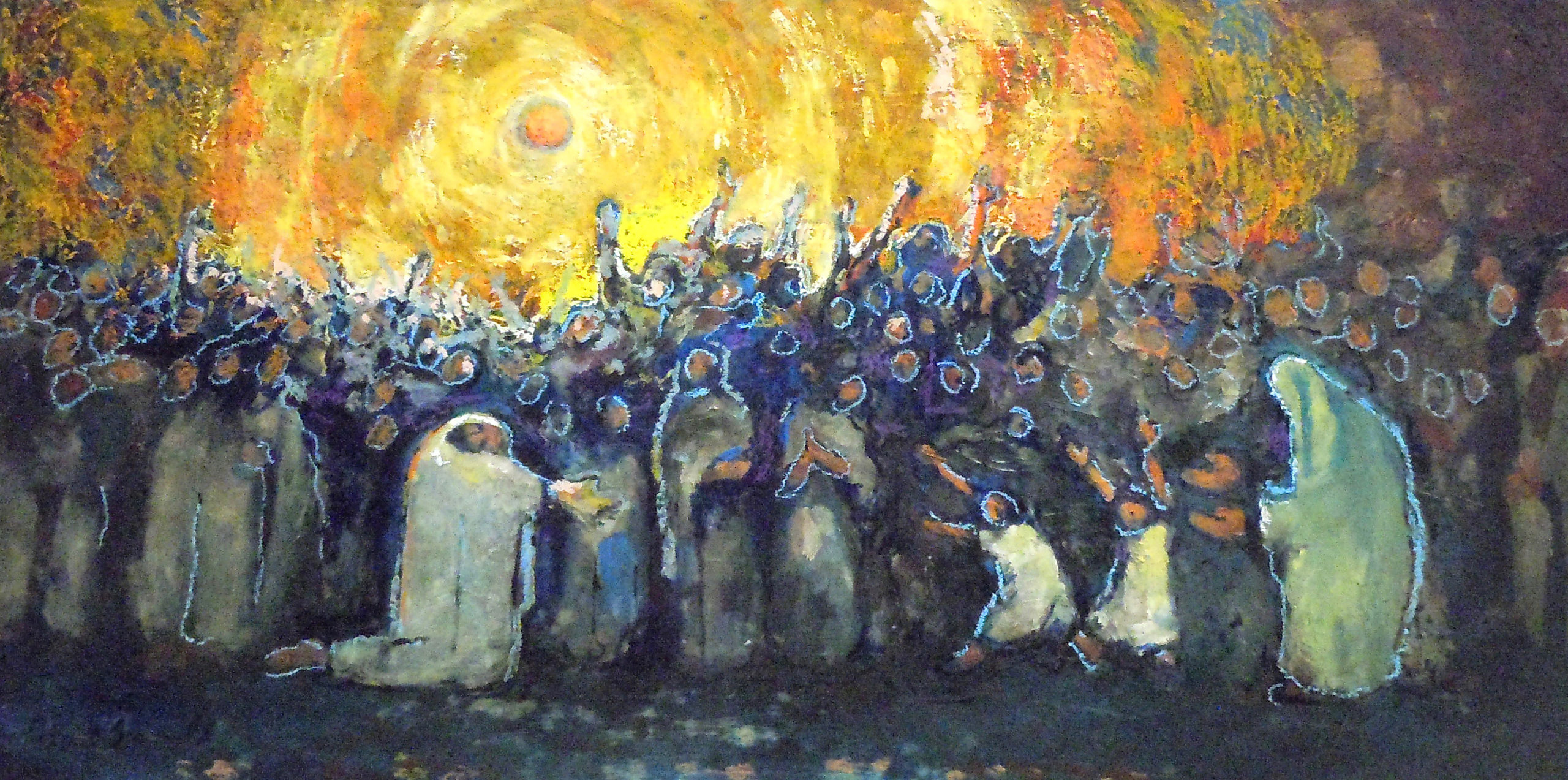
Lesson Four: Living Freely and the Responsibility to Care
Scripture: 1 Corinthians 7 and 11:1–16
Freedom is the subject of Lesson Four, and “freedom” is a word laden with connotations. Thinking of “free will” might bring up questions of sin, accountability, and human development. We might wonder, we might debate: when is a person old enough, or well enough, or able, to control their will and not act on at least some of their less helpful impulses? What happens when I insist on freedom to act as I choose, without fully considering my actions’ implications for other people? People living in a democratic society have certain freedoms to act as we choose, as long as our actions don’t hurt others; and yet, reasonable citizens of the same country often disagree about what limits might appropriately be placed on individual actions.
For Christians, two questions come up when we talk about freedom. If God has made us free in Jesus Christ, what were we freed for—for what purpose?
And, how do we exercise our freedom in Christ while caring for our fellow disciples, and for our other neighbors whom God also loves?
Although Paul and his Corinthian friends were living in a very different time and place than you and I are, these questions also caused a lot of controversy for them. You and I can still identify with at least some of their concerns.
The Corinthians wondered about how their freedom in Christ affected sexual ethics. Were Christians free to have sexual relations however they chose, with as many partners as they liked? Or, at the other end of a spectrum of freedom, were spouses free to abstain from sexual relations in order to focus on more obviously spiritual matters? Were dissatisfied spouses free to seek divorce? Under what circumstances?
What about oppressive social institutions? Over the course of the nineteenth century, most white American Christians decided it was permissible for some people to hold other human beings in slavery. In fact, many even convinced themselves that it was a good thing, God’s will, to do this.
In Lesson Four of United Through Christ, Bound to Each Other, you’ll read about theologian Howard Thurman’s grandmother. She had been born into slavery, never learned to read, and exercised her freedom precisely by refusing to listen to Paul’s epistles, pieces of which had been used to abuse her and her fellow enslaved people.
It’s not clear at all that Paul actually approved of slavery; a lot of evidence suggests he did not. And yet, it can be helpful for you and me today to consider how wrong so many Christians of earlier generations were about slavery, even as plenty of their own contemporaries, of all races, tried to show them the error of their ways. Maybe thinking about those ancestors can lead you and me to wonder where we, too, may have gone astray. In what ways might we be wrong about how we are entitled to use our freedom? In what ways might we be seeing other people as inferior to ourselves, without stopping to acknowledge we really think that way? In what ways might our exercise of freedom be hurting other creatures of God, non-human ones, with whom we also share this world?
Maybe Paul’s debates with his Corinthian friends can help us think and pray through these questions faithfully together.
By Rev Dr. Rhonda Mawhood Lee
Author of the 2026–2027 PW/Horizons Bible study, United Through Christ, Bound to Each Other: Paul’s First Letter to the Corinthians.
This blog is the fourth in a series of nine blogs.
United Through Christ, Bound to Each Other is the Presbyterian Women in the PC(USA), Inc. Bible study for 2026–2027. Go to presbyterianwomen.org/bible-study/united to find more resources and copies for you and your group to study along with us. Call 800/533-4371 or order online.
