
“United Through Christ, Bound to Each Other” Lesson Six
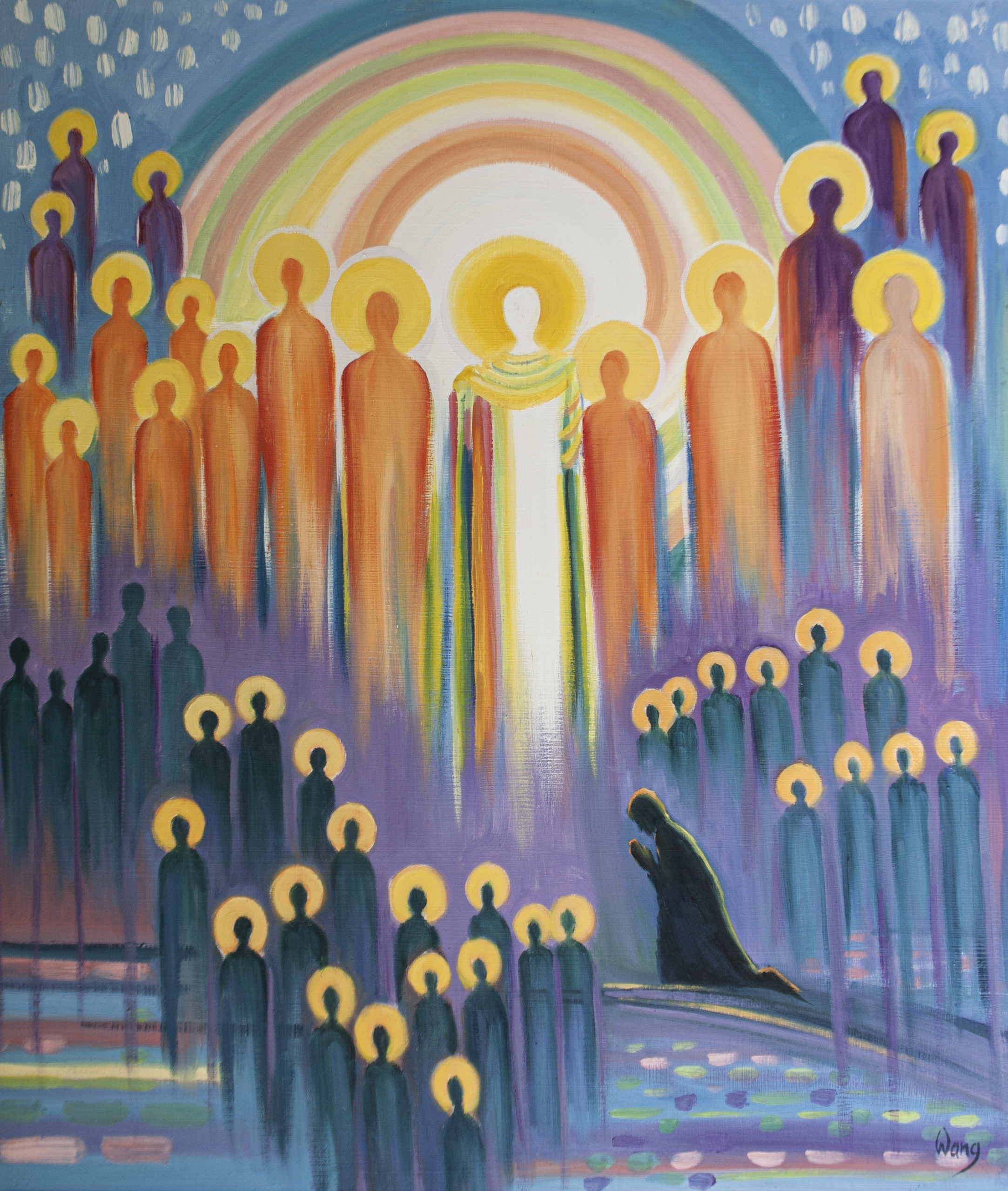
Lesson Six: “Now You Are The Body of Christ”
Scripture: 1 Corinthians 11:17–34, 12
“The Lord Jesus on the night when he was betrayed took a loaf of bread, and when he had given thanks, he broke it and said, ‘This is my body that is for you. Do this in remembrance of me.’ In the same way he took the cup also, after supper, saying, ‘This cup is the new covenant in my blood. Do this, as often as you drink it, in remembrance of me’” (1 Cor. 11:23-25).
In twenty years as a priest, I can’t count how many times I have said these words. What Christians call “the words of institution” of the Lord’s Supper have always given me chills. That’s true when I am the one presiding at the communion table; that’s true when I’m in a pew; and it was true before I was ordained.
I think these words have such an effect on me because they have been passed down in an unbroken chain of transmission from the friends of Jesus who ate supper with him on the night he was arrested, through the apostle Paul, down to Christians who celebrate Holy Communion together today. This chain of transmission is an astonishing, grace-filled thing to contemplate; and it’s a responsibility, too.
Paul reminds his Corinthian friends that he “received” these words, this knowledge, “from the Lord.” He also reminds them that he, in turn, had “handed on” these words to them. He had shared these words as part of the gift of the Christian faith. Maybe his friends had forgotten the words’ importance; and if so, he was writing to remind them.
Paul had to remind the Corinthians of the importance of these words about the Lord’s Supper because they were in the midst of such deep and varied conflicts.
I invite you to sit with that reality for a moment: these words we still use to tell the story of God’s grace, two thousand years after Jesus’ crucifixion, were recorded in Paul’s First Letter to the Corinthians because they were engaged in conflict.
One of those conflicts involved the Lord’s Supper itself. Paul’s rage practically jumps off the page as he rebukes his friends. He starts out fairly gently, saying, “I do not commend you” for the way the Corinthian Christians are celebrating communion. But then he makes clear just how shocking he finds their behavior:
“What! Do you not have households to eat and drink in? Or do you show contempt for the church of God and humiliate those who have nothing? What should I say to you? Should I commend you? In this matter I do not commend you!” (1 Cor: 11:22).
I would definitely not enjoy being corrected like this.
But ironically, I find this passage encouraging. That’s because the people of the first-century Corinthian church were neither the first nor the last disciples of Jesus to betray him. I can’t speak for you, but I know I fall short daily of the loving behavior Jesus asks of me. I’m in good company. Jesus’ good friend Peter comes to mind: so certain, as a guest at the Last Supper, that he would never abandon or deny Jesus, and so devastated when he realized hours later that he had, in fact, done so repeatedly.
God gave Peter another chance to live as a faithful disciple of Jesus, and Peter rose to the occasion. Maybe at least some of the Corinthians did likewise. And maybe I can too.
By Rev Dr. Rhonda Mawhood Lee
Author of the 2026–2027 PW/Horizons Bible study, United Through Christ, Bound to Each Other: Paul’s First Letter to the Corinthians.
This blog is the sixth in a series of nine blogs.
United Through Christ, Bound to Each Other is the Presbyterian Women in the PC(USA), Inc. Bible study for 2026–2027. Go to presbyterianwomen.org/bible-study/united to find more resources and copies for you and your group to study along with us. Call 800/533-4371 or order online.
